



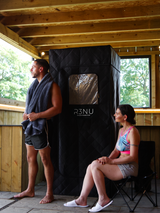


5 Benefits of Infrared Heat for Muscle Recovery
From increased blood flow to deep tissue relief, infrared therapy is transforming how athletes and professionals recover. Cold water immersion has evolved from an ancient practice into a modern recovery staple embraced by athletes, wellness professionals, and everyday individuals seeking to optimise their health. But what does the science actually say? In this article, we dive deep into the physiological mechanisms that make ice baths one of the most effective recovery tools available. The Immediate Response: What HappensWhen You Enter Cold Water When your body is submerged in cold water (typically between 10–15°C), a cascade of physiological responses is triggered almost immediately. Your blood vessels constrict, a process known as vasoconstriction, which redirects blood flow from the extremities to your vital organs. Simultaneously, your sympathetic nervous system activates, releasing norepinephrine — a hormone and neurotransmitter crucial for attention, focus, and mood regulation. Studies show cold water immersion can increase norepinephrine levels by up to 530%. "Cold water immersion is not just about recovery — it's about building resilience. Every time you step into the cold, you're training your body and mind to adapt." Reducing Inflammation: The Recovery Advantage One of the most well-documented benefits of cold water immersion is its anti-inflammatory effect. After intense physical activity, micro-tears in muscle fibres trigger an inflammatory response. While some inflammation is necessary, excess delays recovery. Cold water immersion helps by reducing metabolic activity and slowing cellular processes. Blood vessels constrict, reducing swelling and flushing metabolic waste. Upon exit, vessels dilate and fresh, oxygen-rich blood floods back in, accelerating repair. Mental Resilience and the Cold Beyond physical benefits, regular cold water exposure profoundly impacts mental health. Research demonstrates cold water swimming can significantly reduce depression and anxiety symptoms by activating the vagus nerve — regulating stress and promoting calm. The deliberate practice of entering uncomfortable conditions builds mental fortitude that translates to everyday life. Practitioners report improved stress management, better sleep quality, and enhanced overall wellbeing. Getting Started with Cold Water Immersion Start gradually with shorter exposures of 1–2 minutes at moderate temperatures (around 15°C). Focus on controlled breathing — inhale through the nose, exhale slowly through the mouth. The R3NU Ice Recovery Pod makes this practice accessible in your home, with precise temperature control and premium insulation.